

The allure of risk-taking
At the heart of gambling lies the concept of risk-taking, which is deeply ingrained in human psychology. The adrenaline rush experienced when placing bets often leads individuals to seek out these high-stakes environments, such as casinos, where they might enjoy online pokies real money and experience the thrill of potentially winning large sums of money that can trigger an intense emotional response.
Furthermore, the environment of a casino is meticulously crafted to enhance the thrill of risk. From the sounds of rolling dice to the visual spectacle of spinning slot machines, these elements serve to stimulate the senses and heighten the overall experience. The uncertainty of outcomes adds to this excitement, as each bet carries the possibility of both loss and reward. This psychological tug-of-war keeps players engaged, drawing them deeper into the gambling experience.
In addition, social factors play a significant role in the attraction to risk-taking. The presence of other gamblers can create a collective energy that amplifies individual thrill-seeking behaviors. Shared experiences, such as celebrating wins or commiserating over losses, foster a sense of community among players. This social dynamic not only enhances enjoyment but can also encourage more participants to engage in gambling activities, making risk-taking an infectious behavior in the casino setting.
The thrill of unpredictability
The inherent unpredictability of gambling is another psychological factor that fuels our fascination with casinos. Each game is a unique gamble, with no guarantees of winning, which sets the stage for an exhilarating experience. This unpredictability can be likened to a roller coaster ride, where the highs and lows intensify the emotional experience. Players often find that the sheer possibility of an unexpected win keeps them coming back for more, as every session holds the promise of surprise.
This unpredictability is further amplified by the psychological principle known as variable reinforcement. Unlike fixed schedules of reward, where outcomes are predictable, variable reinforcement creates a scenario where players receive rewards at unpredictable intervals. This can lead to a stronger attachment to the activity, as players continuously chase the next win. It explains why some individuals may persist in gambling despite previous losses, driven by the hope that the next spin or turn holds that elusive jackpot.

Moreover, the drama of chance extends beyond mere monetary gain. Casinos often incorporate elements of storytelling and spectacle, such as themed games or elaborate events, which enhance the unpredictability factor. This narrative aspect engages players on an emotional level, transforming what could be a simple game into an immersive experience. The combination of uncertainty, storytelling, and potential rewards forms a powerful psychological cocktail that keeps individuals enthralled within the casino’s walls.
The impact of dopamine
The experience of gambling is closely linked to the brain’s reward system, specifically the release of dopamine—a neurotransmitter associated with pleasure and reinforcement. When players win, or even when they anticipate a win, dopamine is released, creating feelings of euphoria. This chemical reaction reinforces the behavior, making individuals more likely to return to gambling activities in search of that same emotional high. Understanding the neurological underpinnings of this phenomenon sheds light on why gambling can become addictive for some.
This dopamine-driven cycle explains why even small wins can be enough to keep players engaged. The occasional victory serves as a reward that stimulates the brain, reinforcing the idea that continued play could lead to bigger rewards. Over time, this can create a pattern of behavior where the desire to experience that dopamine rush overshadows the rational thinking about the risks involved. This is particularly dangerous when individuals begin to chase losses, convinced that their next bet will be the one that turns their luck around.
Moreover, the casino environment is designed to maximize dopamine-driven responses. Colorful lights, rhythmic sounds, and the underlying tension of the games create a sensory experience that keeps excitement levels high. The strategic placement of games and the use of loyalty programs further encourage players to spend more time in the casino, as the anticipation of winning becomes intertwined with the physical environment. This combination of psychology and design makes casinos potent venues for those seeking the thrill of gambling.
The role of social dynamics
The social aspect of gambling cannot be understated when discussing its psychological allure. Casinos provide a space where individuals can gather, share experiences, and bond over the shared activity of gambling. This communal experience adds layers of meaning and enjoyment that solitary gambling lacks. Engaging with fellow players creates an atmosphere rich in camaraderie and competition, fostering a sense of belonging that enhances the overall experience.
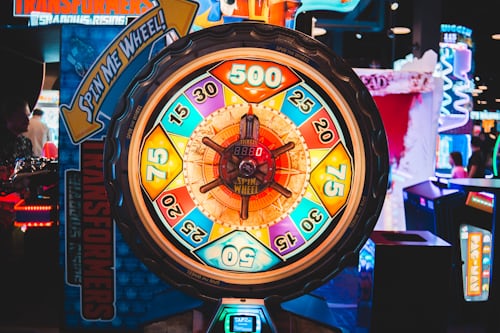
Interactions with other gamblers can also influence betting behavior and decision-making. For instance, witnessing someone else win can provoke envy or motivation, leading individuals to make riskier bets than they otherwise would have. Conversely, sharing in the collective disappointment of losses can forge stronger connections among players. Such social influences can create a feedback loop that reinforces gambling behaviors, further deepening individuals’ engagement with casinos as social hubs.
Additionally, casinos often host events or tournaments that invite participation from larger audiences. These gatherings tap into the social dynamics of competition, where players feel a surge of excitement not just from the game itself, but also from the collective atmosphere of the event. The blend of competition and social interaction can evoke powerful emotions, driving participants to return for the thrill of both winning and socializing. This interplay between social factors and gambling behavior underscores the complexity of our psychological affinity for casinos.
Your destination for understanding gambling
As we explore the multifaceted psychology behind gambling and its inherent thrills, it becomes clear that casinos are much more than mere venues for games of chance. They serve as complex environments that draw upon our intrinsic desires for risk, unpredictability, and social connection. Understanding these elements provides valuable insights into why individuals are captivated by the casino experience, often returning time and time again.
For those looking to delve deeper into the psychology of gambling or explore responsible gaming practices, our website offers a wealth of resources. We aim to educate and inform, providing tools for better decision-making and awareness. By fostering a deeper understanding of gambling behaviors, we can empower individuals to approach their experiences in casinos with greater knowledge and mindfulness.
Ultimately, the world of gambling is a rich tapestry woven from psychological threads of thrill, community, and reward. Whether you are a casual player or a seasoned gambler, recognizing these elements can enhance your understanding of the allure of casinos. Visit our website to continue your journey into the captivating psychology of gambling and ensure a more balanced approach to this complex activity.

